
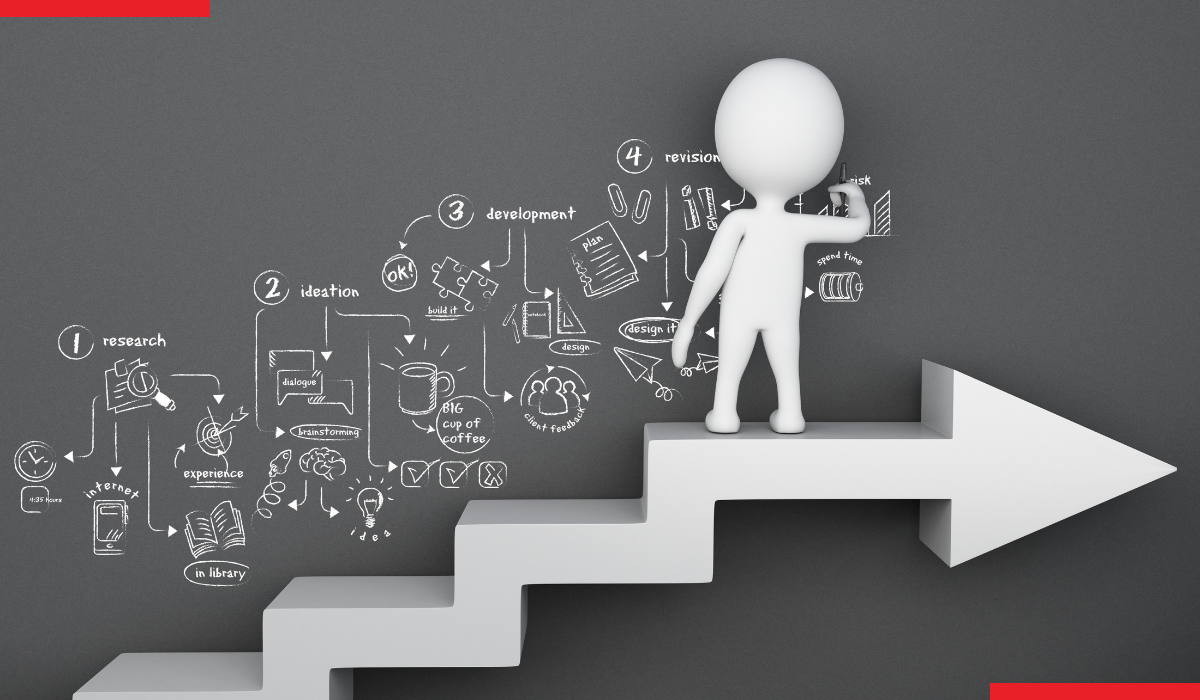
A business can be growing quickly and still be heading in the wrong direction.
Revenue may be increasing, new customers may be arriving, and the leadership team may be working harder than ever. Yet decisions keep changing, priorities compete for resources, and teams struggle to understand what matters most.
This is where a strong Strategic Planning Process becomes essential.
Strategic planning is not about producing a long document once a year. It is about making clear choices about where the business is going, what it needs to win, and how people, resources, and leadership will be aligned to get there.
For growing businesses, this discipline becomes increasingly important as complexity increases.
Start With the Right Questions
The first mistake many businesses make is starting with targets before understanding their current position.
A practical strategic planning for growing businesses should begin with a clear assessment of the business.
Leadership teams should examine:
- Where are we creating the most value?
- Which customers and markets have the greatest potential?
- What is driving profitability?
- Where are we losing time, money, or customers?
- What capabilities are limiting growth?
- What has changed in our market?
This is where facts matter more than assumptions.
For example, a company may believe that its biggest growth opportunity is entering a new market. A closer review may show that customer retention, pricing, sales productivity, or operational capacity represents a much larger opportunity.
The first job of strategy is therefore not to create more initiatives. It is to understand where the greatest value can be created.
Make Choices That Matter
Once the current position is clear, the leadership team needs to decide where to focus.
This is where strategic planning becomes different from budgeting.
A budget asks, “How much will we spend?”
Strategy asks, “Where should we place our biggest bets?”
A practical plan should identify a small number of strategic priorities. These could include entering a specific market, increasing share in a core segment, improving customer retention, launching a new product, strengthening the leadership pipeline, or redesigning the operating model.
The key is prioritization.
If everything is a priority, nothing is.
A useful test is to ask:
What would we stop doing if our resources were limited?
The answer often reveals whether the strategy is genuinely focused.
For a growing company, three to five major priorities are often more useful than a long list of initiatives. Each priority should have a clear business reason behind it and a measurable outcome.
Turn Strategy Into Execution
A strategy becomes valuable only when people know what to do differently.
Every strategic priority should therefore translate into specific initiatives, owners, measures, resources, and timelines.
For example:
Strategic priority: Improve customer retention.
Business objective: Increase annual retention from 82% to 90%.
Key initiatives: Improve onboarding, introduce proactive account reviews, and strengthen customer analytics.
Owner: Chief Commercial Officer.
Measures: Retention rate, customer lifetime value, repeat revenue.
This creates a direct connection between strategic intent and daily activity.
The same principle applies to people and leadership.
As a business grows, the CEO cannot personally drive every initiative. Responsibility must move through the leadership team. Managers need clear decision rights, measurable objectives, and the capability to execute without constant intervention.
This is often the point where a business moves from founder-led execution to organizational execution.
Review, Adapt and Build for the Long Term
A Strategic Planning Process should not end when the plan is approved.
Markets change. Customers change. Technology changes. New opportunities appear.
Leading organizations therefore create a regular rhythm for reviewing strategy and performance.
A quarterly strategy review can ask:
- Are we achieving the expected results?
- Which initiatives are ahead or behind?
- Have our assumptions changed?
- Where should resources be increased?
- What should we stop, start, or change?
This creates three important stages of leadership development.
Ascending: Leaders learn to think beyond immediate operational demands and make decisions based on the organization’s longer-term direction.
Thriving: Leaders align people, resources, processes, and performance around strategic priorities.
Finishing Strong: Leaders build an organization that can sustain performance beyond their own direct involvement by developing successors, strengthening systems, and transferring knowledge.
This final stage is often overlooked. A successful strategy should not depend permanently on one person.
Make Strategy a Management Discipline
The strongest organizations treat strategy as an ongoing management discipline rather than an annual event.
The leadership team should regularly connect strategic priorities with financial performance, customer outcomes, workforce capability, operational efficiency, and leadership effectiveness.
A simple strategy dashboard can track:
- Strategic objectives
- Key performance indicators
- Major initiatives
- Initiative owners
- Milestones
- Risks and dependencies
- Resource requirements
This gives leadership a clear view of whether the organization is moving from intention to execution.
The goal is not to predict the future perfectly. It is to build an organization capable of responding intelligently as the future unfolds.
How Straxecutes Can Help
At Straxecutes, we help CEOs, founders, and leadership teams turn strategic ambition into practical business results.
Our approach connects strategy, leadership, people, operating models, technology, and execution. We help organizations assess their current position, identify strategic priorities, translate them into actionable initiatives, align leadership and resources, and establish performance mechanisms that keep execution on track.
Whether your business is preparing for its next growth phase, entering new markets, redesigning its operating model, or strengthening leadership capability, we help build a Strategic Planning Process that is practical, measurable, and designed for execution.
The strongest strategic plans do not simply describe a better future.
They give the organization a clear path to build it.